
"Cash only" on the way out? What the finance ministry is planning in Germany
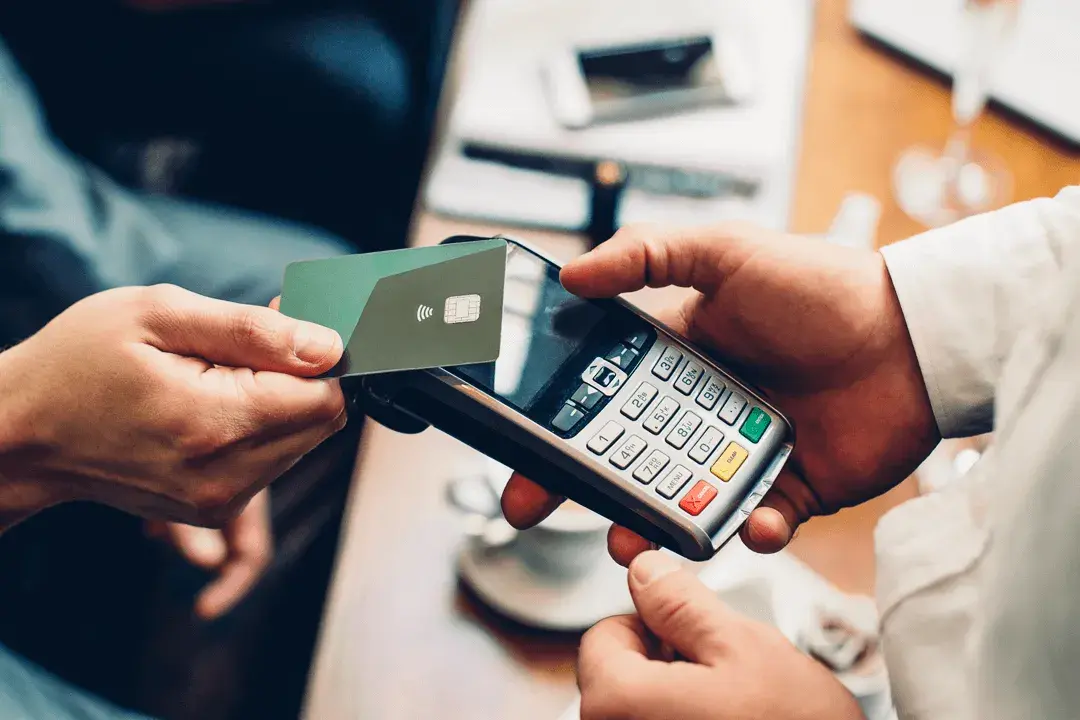
If all you have is a card, you can still run into the same problem at many checkouts: no card, no coffee. That could change. Federal Finance Minister Lars Klingbeil (SPD) has put forward a key points paper under which shops, restaurants and service providers would have to offer at least one digital payment method — in addition to cash. "Cash only" signs would become a thing of the past. For now this is only a draft being coordinated between the ministries — not yet law.
The current rules
Euro notes and coins are legal tender in Germany, which means cash must be accepted. Shops are not required to accept cards. Smaller shops, kiosks and restaurants in particular often take no cards today. At the same time, more and more cafés and self-checkouts do not accept cash — which is allowed when the merchant and the customer agree on that in advance.
What the finance ministry is planning
- Retailers, hospitality businesses and service providers would have to accept at least one common digital payment method — for example card, smartphone or smartwatch.
- Each business decides which method to offer. At least one European payment method must be included.
- Cash remains mandatory: the plan is only about adding options.
- No turnover thresholds and no extra costs for customers — paying for a chocolate bar without cash should be as straightforward as paying for a haircut.
Who would be covered
The obligation would apply to businesses in retail, hospitality and services — anywhere goods and services are paid for on site. Non-commercial organisations such as amateur sports clubs and charities would be exempt. At village festivals and flea markets, cash would remain the default for now. The ministry is still reviewing whether additional hardship rules are needed.
Why this is being planned
The initiative implements a commitment from the coalition agreement between the Union (CDU/CSU) and the SPD. The stated goal is freedom of choice: customers should be able to decide whether to pay in cash or digitally. The ministry also points to a second effect — digital payments are always documented and therefore help combat tax evasion, money laundering and other financial crime.
How people pay today
The trend supports the plan: according to the Bundesbank, 55 percent of transactions last year were cashless — and rising. Debit cards were used most often (26 percent), usually the Girocard. Mobile payment via smartphone or smartwatch rose to ten percent. In 45 percent of cases people still paid cash — especially older people and those with health conditions, lower incomes or less digital experience.
What happens next
First, the other ministries can comment on the key points. Changes are still possible before a draft law is written and passed by the Bundestag. The finance ministry wants cabinet approval for the draft this year; the obligation is then intended to take effect in 2027.