
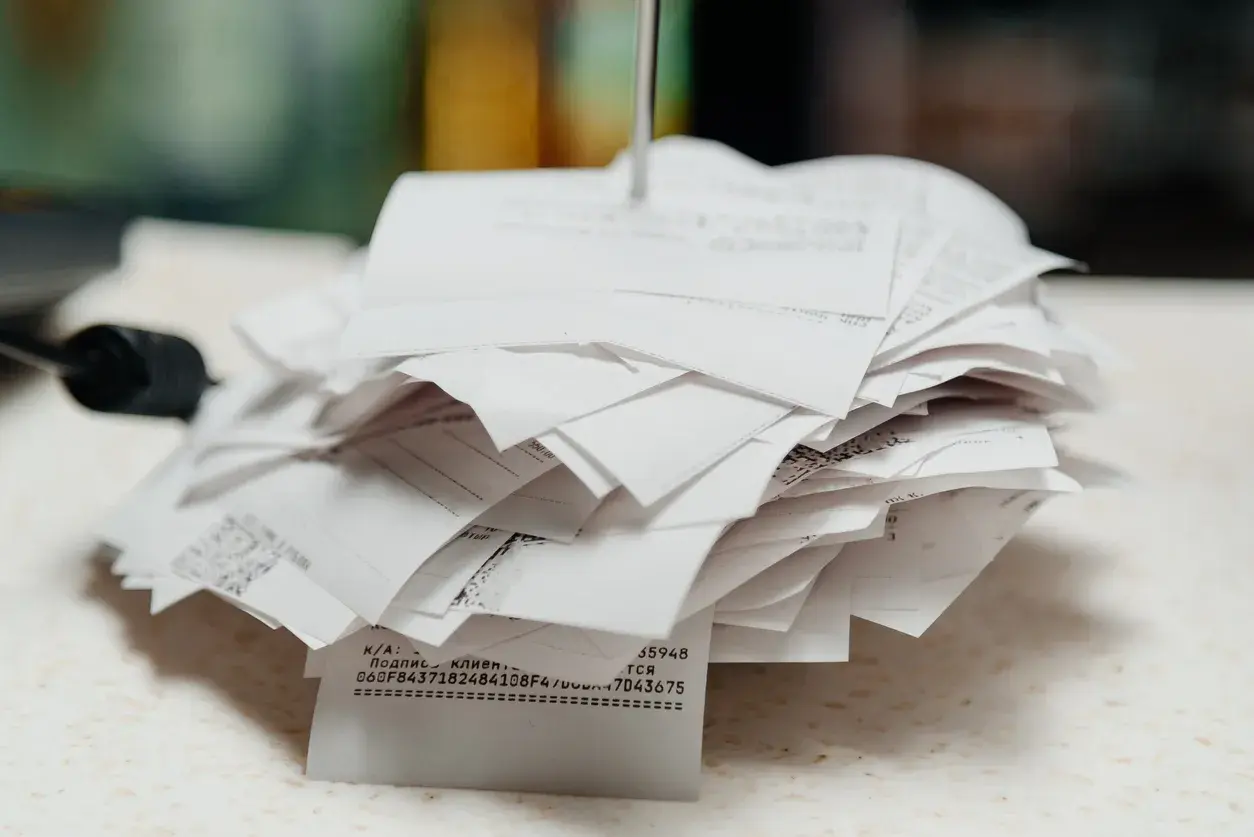
On September 23, 2026, the German federal cabinet approved a draft law from the Federal Ministry of Finance (BMF) that would make electronic cash registers and digital receipts the standard in Germany. The goal is twofold: reduce bureaucracy for businesses and consumers, and make tax evasion in cash transactions harder.
What the draft law includes
The draft contains two key changes, both planned to take effect in 2028.
1. Electronic cash registers become mandatory for more businesses
Businesses with annual revenue above €100,000 will have to replace open cash registers (offene Ladenkassen) with electronic cash register systems. Businesses with less than €12,000 in annual cash sales are exempt.
2. Digital receipts replace paper receipts
The obligation to issue a paper receipt will be replaced by an obligation to provide a digital receipt. Merchants must offer a digital receipt, but customers are not required to accept it.
Why this is a big shift
Since 2020, businesses in Germany that use an electronic cash register have been required to issue a receipt for every transaction, even for small purchases. Retailers, bakeries, and kiosks in particular have criticized the paper waste and extra effort this creates. The draft reverses that logic: instead of paper by default, digital becomes the standard.
What digital receipts offer
For merchants and their customers, a digital receipt is more than a replacement for paper:
- No personal data required: Customers can receive their receipt by scanning a QR code at checkout, without sharing an email address or phone number.
- Easy to store and find: Receipts can be saved in digital wallets and accessed later for returns or expense reports.
- Less hardware: Restaurants, taxis, and delivery services can issue receipts from a tablet or phone, without a portable printer or paper rolls.
- A new customer touchpoint: Merchants can add their own branding, loyalty offers, and promotions to every receipt.
With fiskaly RECEIPT, you can add compliant digital receipts to your POS through a single API, with QR code, Google Wallet, Apple Wallet, and Mastercard delivery already included. If you're working on your roadmap, talk to our experts.
What happens next
The draft still has to go through the legislative process, so details may change before it becomes law. We'll keep following the process and share updates as it progresses.
Last updated: September 2026. This article is general guidance, not legal advice. Confirm scope and requirements against the current information from the German Federal Ministry of Finance at bundesfinanzministerium.de.