For most of the history of Swedish fiscalization, complying with the Cash Register Act meant installing a physical box. Every register needed a control unit — a kontrollenhet — wired in to sign transactions locally. Since SKVFS 2020:9, that is no longer the only route. This guide explains the difference between a hardware control unit and a cloud-based one (molnbaserad kontrollenhet), and why the shift turns Swedish fiscalization from a hardware problem into a software integration.
A note on terminology first: the market often says molnbaserad kontrollenhet — “cloud control unit” — but the law reserves kontrollenhet for the physical device (SKVFS 2009:2). The cloud model is legally a control system (kontrollsystem) under SKVFS 2020:9. This article uses the colloquial term where that is what people search for, and the legal term where precision matters.
What does a control unit actually do?
Whether hardware or cloud, the control unit performs the same core job. It receives transaction data from the register, signs it, and returns a control code (avstämningskod) that gets printed on the receipt. It also maintains the cumulative counters the regulations require, so Skatteverket can verify that reported sales are complete and unaltered.
The control unit is what makes a receipt tamper-proof. Without it, a register is just a till. With it, each sale becomes part of a verifiable, sequential record.
The hardware model: a certified box per site
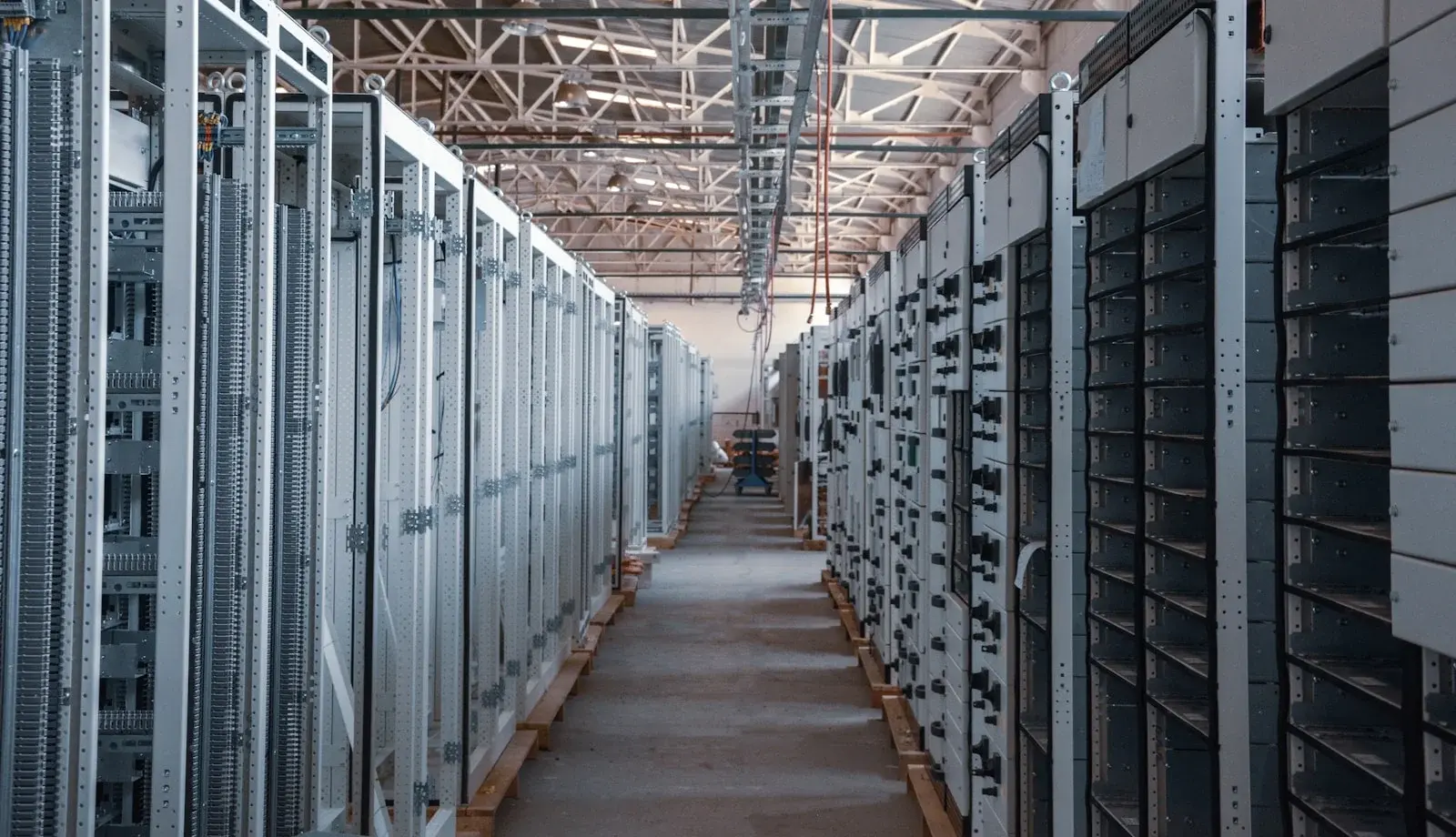
In the traditional model, the control unit is a certified physical device. Each register — or a cluster of registers — is paired with its own kontrollenhet, installed on-premise.
The model works, but it carries real operational cost:
-
❌ Hardware to source, install, and maintain at every location
-
❌ Physical points of failure — a broken or disconnected unit can halt sales
-
❌ Scaling friction — more terminals or new sites mean more hardware to procure and provision
-
❌ Lifecycle management — devices need replacement, and re-certification touches physical estate
For a POS vendor, supporting the hardware model means taking on logistics that have little to do with software.
The cloud model under SKVFS 2020:9
SKVFS 2020:9 defines the cloud control system (TCS) — a certified control system that runs as a service rather than as on-premise hardware. Instead of talking to a local box, the register communicates with the cloud control system over an API. Signing, counter management, and status reporting all happen server-side.
The regulation defines this model precisely: the API behaviour, the transaction signing, the status codes, the counters, and the enrollment rules. A cloud control system is not a workaround — it is a fully specified, certified alternative to the physical unit.
| Hardware kontrollenhet | Cloud kontrollsystem (TCS) | |
|---|---|---|
| Deployment | Physical device per site | API service, no hardware |
| Scaling | Procure and install more units | Enroll another system |
| Failure point | Local device | Handled via status codes and offline notes |
| Certification & updates | Touch physical estate | Centralized with the provider |
| Vendor burden | Hardware logistics | Software integration |
What stays the same
Moving to the cloud does not change the legal obligations. The merchant still uses a certified control system, still registers with Skatteverket, and still issues receipts carrying the required control code and mandatory fields. The daily register status check still runs before sales can begin.
The cloud model also brings its own operational reality: because signing happens over a network, systems must handle the case where the control system is briefly unreachable. Swedish rules accommodate this through the offline cash note (kontantnota) and a defined set of status codes — so a temporary loss of contact does not mean a shop cannot trade.
How fiskaly helps
The cloud model is what makes software-only fiscalization possible. A POS vendor can integrate a certified cloud control system through an API and deliver Swedish compliance without shipping a single piece of hardware.
SIGN SE is built on this model. It connects the POS to a certified cloud-based control system (Infrasec TCS) through a single REST API — the same integration pattern used across fiskaly’s other SIGN products. There is no physical kontrollenhet to install: the register calls the API, the transaction is signed in the cloud, and the control code is returned for printing.
For a vendor weighing the two models, the trade-off is clear. Hardware means per-site logistics and physical maintenance; a certified cloud control system means one API integration and no on-premise footprint.
Integrate in days, not quarters. Talk to our experts about cloud fiscalization for Sweden — free API testing, no commitment.
Frequently asked questions
Is a cloud control unit actually compliant in Sweden? Yes. SKVFS 2020:9 defines the cloud control system as a certified alternative to the physical control unit. Provided the control system is certified by an accredited body, the cloud model is fully compliant.
What happens if the cloud control system is unreachable? Swedish rules allow an offline cash note (kontantnota) during a temporary loss of contact, with a defined set of status codes governing when sales can and cannot proceed. Normal signing resumes once contact is re-established.
Do I still need to register with Skatteverket if I use a cloud unit? Yes. Registration with Skatteverket is a merchant obligation regardless of whether the control unit is hardware or cloud-based.
Can I switch from hardware to a cloud control unit? In principle yes, but it involves enrolling the systems with the cloud control system and completing the corresponding registration steps with Skatteverket. Plan it as a migration, not a config change.
Next steps
Sweden’s SKVFS 2020:9 made the cloud control system a certified alternative to the physical control unit. The core function is identical — signing transactions and maintaining counters — but the cloud model removes on-premise hardware, its logistics, and its failure points. For POS vendors, that turns Swedish fiscalization into a software integration.
Request a meeting to see how SIGN SE delivers a certified cloud kontrollsystem through one API — with free API testing and no integration commitment.
Related reading: Certified cash registers in Sweden, How cloud fiscalization works in Sweden, How to register a cash register with Skatteverket.
Last updated: September 2026. This article is general guidance, not legal advice. Confirm requirements against Skatteverket’s current rules at skatteverket.se.